Explore how electoral governance shapes Nigeria’s democratic future, drives development, and citizens engagement in the journey toward sustainable progress.
Picture waking up one morning and realizing that the very foundation of your community’s future rests on a single ballot — and not just that, but on whether that ballot holds any weight. That’s the everyday reality in Nigeria, where electoral governance isn’t simply about voting; it’s about shaping the trajectory of an entire nation. If that governance falters, the whole house of development trembles.
In this post, we’ll explore why democratic governance in Nigeria matters deeply for development — not as an abstract ideal, but as a concrete engine for better healthcare, infrastructure, youth engagement, and national stability.
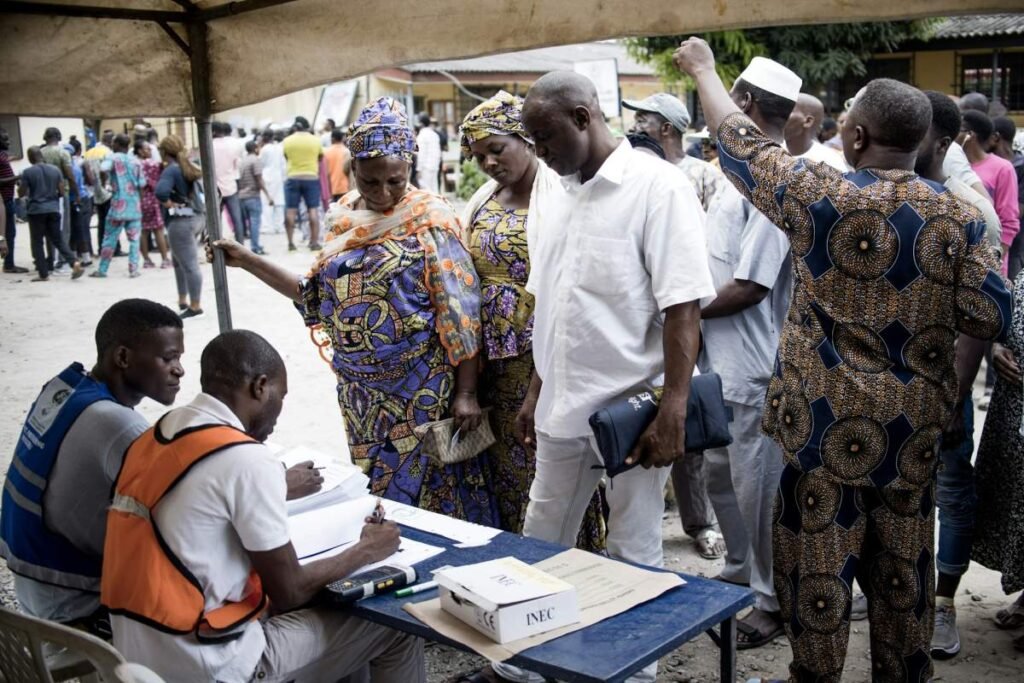
Understanding Electoral Governance: A Core Pillar
Electoral governance refers to the set of practices, institutions, rules and norms that govern how people select their representatives, how campaigns are run, how votes are counted and how outcomes are enforced.
In Nigeria’s context, this encompasses everything from transparent voter registration, efficient polling logistics by Independent National Electoral Commission (INEC), citizen trust in results, to the post-electoral accountability of elected leaders.
Why it matters
- Elections that are credible give citizens confidence, which in turn encourages participation and strengthens legitimacy. Chatham House+1
- When governance derived from elections is responsive, it enables policies that deliver real development — and that reinforces trust in the system. ResearchGate+1
- Conversely, weak electoral governance—fraud, manipulation, lack of transparency—undermines every other development effort. As one framework states: “The Nigerian state … continues to generate mixed feeling among scholars, citizens and development experts.” ojs.unimal.ac.id
Comparing Two Paths: Weak vs Strong Democratic Governance
| Dimension | Weak Governance | Strong Governance |
|---|---|---|
| Voter trust | Low turnout, suspicion of fraud | High turnout, confidence in results |
| Accountability | Elected officials ignore public demands | Elected officials responsive to constituents |
| Development outcomes | Infrastructure stagnates, corruption thrives | Improved services, citizen-driven priorities |
| Stability | Frequent protests, legitimacy crises | Social cohesion, smoother transitions |
Key Insights: How Democratic Governance Drives Development in Nigeria
1. Legitimacy unlocks investment and infrastructure
For state and foreign investors alike, predictable governance matters. When electoral processes are credible, they signal to businesses that contracts will be respected and governance isn’t hostage to whims. That legitimacy opens the door to infrastructure projects, public-private partnerships and development financing.
2. Citizen inclusion = better policy responsiveness
A functioning electoral governance system means different voices—youth, women, minority groups—get represented. With representation comes stronger policy responsiveness. For instance, when local elections are conducted well, local government (which is closest to citizens) becomes capable of delivering services. Consider the infographic showing how Local Government Administration elections in Nigeria affect citizen rights.
3. Accountability reduces waste and corruption
When officials know they can be voted out, they have incentives to deliver. A study found that crime rates and governance quality were significantly linked to economic growth and democracy. Taylor & Francis Online Nigeria needs this dynamic: better electoral governance helps create a feedback loop — citizens vote, leaders deliver, trust grows.
4. Conflict mitigation and social cohesion
Nigeria’s ethnic, regional and religious diversity (with over 250 ethnic groups) makes governance inherently complex. Chatham House Robust electoral governance helps mediate these tensions by ensuring all voices are heard. Without it, grievances build, legitimacy erodes, and development is derailed.
5. Building a stronger informed electorate
Electoral governance isn’t just about election day—it’s about creating an engaged citizenry. Research shows public trust and citizen engagement are tools for democratic growth and sustainable development in Nigeria. ScholarWorks When citizens understand how, when and why to vote, governance becomes less about elites and more about service.
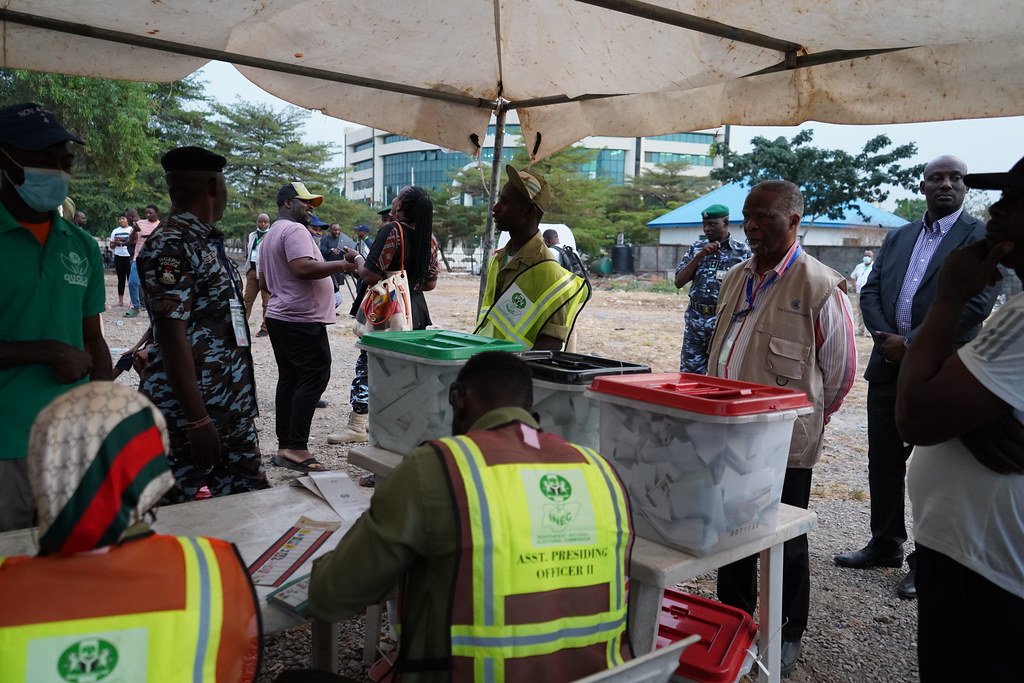
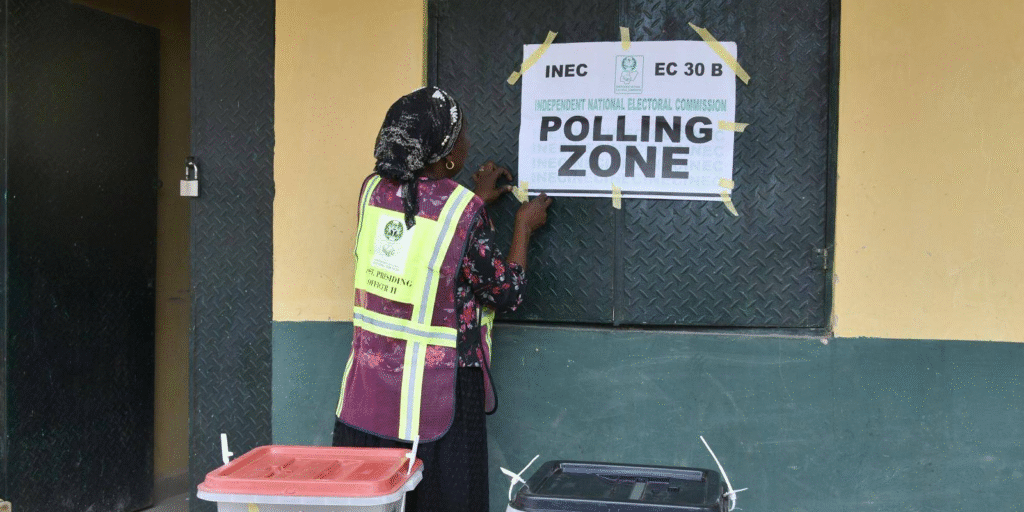
Challenges Holding Nigeria Back
Of course, the path isn’t smooth. Key obstacles include:
- Electoral integrity issues: Manipulation, violence, logistics failure still erode trust. IOSR Journals
- Ethnic and regional politics: Ethnicity continues to influence Nigeria’s democratic governance, affecting fairness and inclusion. SSRN
- Weak institutions: Democratic governance requires strong institutions—judiciary, media, oversight bodies—but these are often under-resourced or compromised. ojs.unimal.ac.id
- Developing-citizenry disconnect: When basic needs are unmet, electoral governance sometimes becomes secondary. But neglecting it means governance remains brittle.
- Development mismatches: Development plans often fail due to governance deficits—not lack of vision but lack of follow-through. ResearchGate
I recall working in a community where an election was delayed because of poor logistics. The delay triggered frustration not just with the election but with the local government’s ability to deliver anything. It became a symbol: if you can’t administer a vote, how will you administer a health clinic?
Fresh Perspectives & My Experience
Here are three reflections from the ground:
- Micro-election ripple effect
In Edo State during a local election, the transparency of the vote count had a ripple effect: afterwards, youth groups felt empowered to lobby the elected council for better roads. That link between election integrity and civic activism is what drives development. - Beyond the ballot – continuous engagement
A friend working with a youth NGO told me: “Our job is not just to get people to vote, but to get them to stay engaged after.” That means holding officials to account between elections—a dimension often skipped but critical for democratic governance. - Electoral governance as peace investment
In one volatile area, the assurance that the coming election would be credible lessened tension. Local leaders settled candidate disputes early. The promise of a fair process became a peacebuilding tool. If democracy delivers legitimacy, then it delivers peace — which is a cornerstone of development.
Recommendations for Moving Forward
To deepen the impact of democratic governance on Nigeria’s development, consider:
- Strengthen electoral institutions: Increase funding and independence for bodies like INEC, improve logistics, deploy tech smartly.
- Promote civic education: Equip citizens to understand their right, use it, and hold leaders accountable.
- Encourage inclusive representation: Focus on youth, women, minorities to widen the democratic base.
- Link elections to development plans: Ensure manifestos and post-electoral governance tie to tangible outcomes; monitor with citizen scorecards.
- Foster a culture of participation beyond elections: Encourage town-hall meetings, local budget reviews, participatory planning.
Conclusion
Democratic governance through robust electoral processes isn’t a luxury for Nigeria—it’s a necessity. When electoral governance works, citizens believe, institutions respond, development follows. When it fails, the opposite happens: mistrust, stagnation, fragmentation.
For Nigeria’s journey toward inclusive growth and sustainable development, getting electoral governance right is step number one.
If you’re invested in Nigeria’s future, start by asking: “Do our elections count? And afterward, do the outcomes deliver?” Because when they do, development truly becomes possible.
Call to Action:
What’s your experience of electoral governance in your community? Share your thoughts in the comments, sign up for a local civic-engagement initiative, or explore our further reading on governance and development. Let’s keep this conversation going. Together, we build the Nigeria we envision.